Messy Ponytail Hairstyle (Undone but Deliberate)
The messy pony only works when the mess is built on purpose — here is where the volume actually comes from.
The low messy pony works on shoulder-length hair too, and it flatters thin hair.
The healthy hair this style needs
The tousling and back-combing that create this look are rough on the hair shaft. If you wear it often, the routine underneath is what keeps texture from tipping into damage.

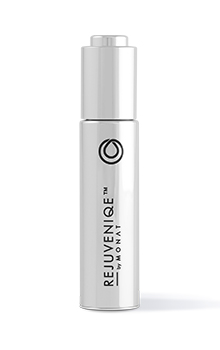
Both items added together. Or shop the system on its own.
Get the look — everything used
Everything used in this messy ponytail.
How to do a messy ponytail — step by step
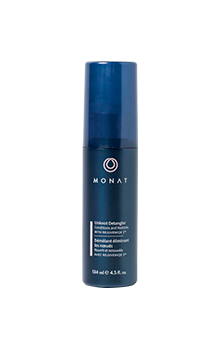
- Detangle with Unknot Detangler first — messy should look undone, not knotted.
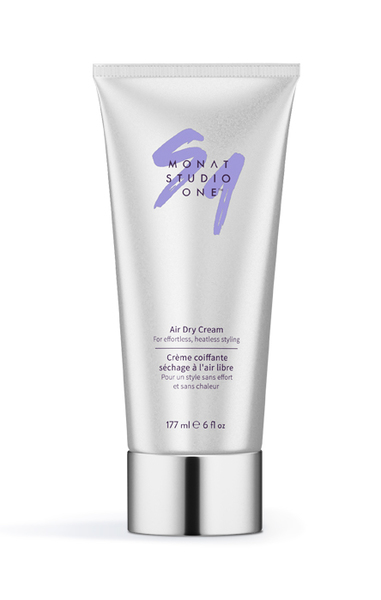
- Work Studio One Air Dry Cream through damp roots and dry. Volume underneath is what stops this looking limp.
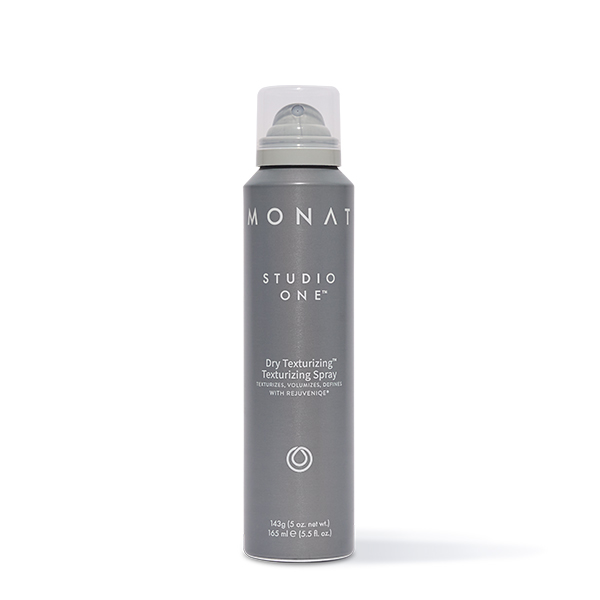
- Mist Dry Texturizing Spray at the crown and tousle with your fingers.
- Gather a mid-height ponytail and secure it loosely — leave a little slack at the sides.
- Pull a few face-framing pieces free, then gently tug sections at the crown upward for height.
Why a messy ponytail looks better on purpose
The difference between a ponytail that looks undone and one that just looks unfinished is where the texture sits. A deliberate messy pony has height at the crown, softness around the face and a ponytail that sits a little loose, so it moves when you turn your head. An accidental one is flat on top, tight at the sides and frizzy at the ends.
That is why the steps above build texture at the roots first and gather the hair last. If you gather first and tousle afterwards, you pull everything tight against the scalp and lose the lift you just made.
Who this style suits
- Shoulder-length to long hair. Shoulder length works if you sit the pony low so the shorter layers reach the elastic.
- Straight hair that slips. Texture spray gives silky hair enough grip to keep the shape.
- Wavy and curly hair. Skip most of the tousling; your natural pattern already does the work.
- Busy mornings. It is a five-minute style that actually looks better on day-two hair.
Placement: high, mid or low
High reads sporty and lifts the face, but it puts the most tension on the hairline, so save it for occasional wear. Mid-height, level with the tops of your ears, is the everyday version shown in the video. Low, at the nape, is the softest and most polished; pull out a few longer face-framing pieces and it works for dinner or the office.
Whatever the height, use a fabric-covered or coil elastic rather than a bare rubber band, and change the position from day to day so the same spot is not under strain every morning.
Troubleshooting
- It falls flat by lunch: the roots were too wet when you applied the styling cream. Let them dry fully before you tousle.
- It looks frizzy rather than tousled: smooth a tiny amount of cream over the ponytail itself and keep the texture at the crown only.
- Face-framing pieces look stringy: pull out fewer, slightly thicker sections and twist each one once around your finger.
- The elastic slides down: mist texture spray at the base before you gather, then wrap the elastic one extra time.
Taking it down gently
Most of the wear and tear from this style happens at night, not while you are wearing it. Remove the elastic by easing it off rather than yanking, then finger-comb from the ends upward before you brush. Teasing at the crown loosens with a little leave-in or a mist of detangler. Sleeping on it? Loosen the pony and move it to the top of your head so you are not lying on the elastic.
Messy ponytail FAQ
Does a messy ponytail work on short hair?
If your hair reaches your shoulders, yes. Sit the ponytail low and pin any shorter pieces underneath with small bobby pins so they look intentional.
Should I backcomb for height?
A light tease at the crown is fine for an occasional look. For everyday wear, texture spray and finger-tousling give similar lift with less friction on the hair.
Is the messy pony good for second-day hair?
It is one of the best second-day styles. A little natural grit makes the texture hold longer than freshly washed hair does.
Individual results vary. Descriptions refer to the look and feel of hair and are cosmetic, not medical, claims. This page contains affiliate links; a commission may be earned at no additional cost to you.