This post contains affiliate links. When you click and buy through links in this article, theglamlifemd.com may earn a small commission at no extra cost to you. Picks recommended here are chosen because they fit the routine described — not because they generate the most revenue.
Thirty days is not long enough to change your hair. It is long enough to change your routine — and that turns out to be the part most people never get to, because they try to overhaul everything on a Sunday night and quietly abandon it by Thursday.
This is a four-week plan built the other way round. One change per week, each one small enough that it survives a bad morning. By day thirty you are not chasing a transformation; you are running a hair care routine over 40 that you no longer have to think about, and thinning hair that looks fuller through cut, part and product choices alone.
Not sure which products actually fit your hair type?
Before You Start: Take the Day-Zero Photo
Take one photo of your part line and one of your crown, in the same spot, in the same light, before you change anything. Not a flattering photo — a consistent one. Day-to-day impressions of thinning hair are unreliable: the same head of hair reads differently under a bathroom downlight than it does by a window, and that swing is wide enough to convince you something is working when it is not, or failing when it is fine.
A fixed reference point is the only way to judge thirty days honestly. Put a repeating reminder in your phone for day 30 and then stop checking daily.
Week 1: Reset the Basics (Two Changes, Nothing Else)
Week one is deliberately boring. Start a consistent scalp-care system — shampoo, conditioner and a scalp step — on every wash day, and switch to a zig-zag part immediately.
The zig-zag is the highest-value thirty seconds in this whole plan. A part combed along the same straight line for years trains the hair to fall away from it and puts a clean stripe of scalp on display. Breaking that line with the tip of a tail comb scatters the roots in both directions and covers the gap instantly. It costs nothing and it works the first morning you do it. We go deeper on this in our guide to a part that looks wider than it used to.
Resist adding anything else this week. The point is to find out whether the two simplest changes are sustainable for you before you stack anything on top.
Start Here
The Scalp Care System
Shampoo, conditioner, and scalp serum together — the foundation everything else in this guide is built to support.

Week 2: Add the Nightly Scalp Step
Now layer in two things: a pre-wash oil treatment on wash days, and a scalp serum at night.
The pre-wash oil goes on dry hair, massaged into the scalp, and gets shampooed out — so the scalp gets the conditioning and your styled hair keeps none of the weight. This is the step people skip because it sounds like extra laundry; it is genuinely the difference between a scalp that feels tight and one that feels comfortable.
The nightly serum is where scalp peptides earn their place. A peptide serum is a cosmetic product and it behaves like one — it improves how the scalp feels and how the hair looks and handles. Apply it to a dry scalp, part by part, and massage for thirty seconds. For the wider picture on what the scalp needs at this stage of life, see scalp care after 40.
By the end of week two you should have a morning and night rhythm even though your styling has not changed at all yet.
Week 3: Dial In the Styling Technique
This is the week with the most visible payoff, and it is all technique rather than purchases.
Blow-dry with your head flipped forward for the first sixty per cent of drying so the roots set standing up rather than lying flat. Finish at the crown with a round brush, lifting each section straight up and away from the scalp, then hit it with the cool shot — roots hold the shape they cool in, not the shape they dry in. Texturizing spray goes at the mid-lengths and ends only; at the root it buys you grip but costs you the lift you just built.
Pair this with a midday refresh technique rather than a second wash. If your products are leaving hair flat by noon, the issue may be weight rather than volume — seven signs your products are too heavy for fine hair covers how to tell.

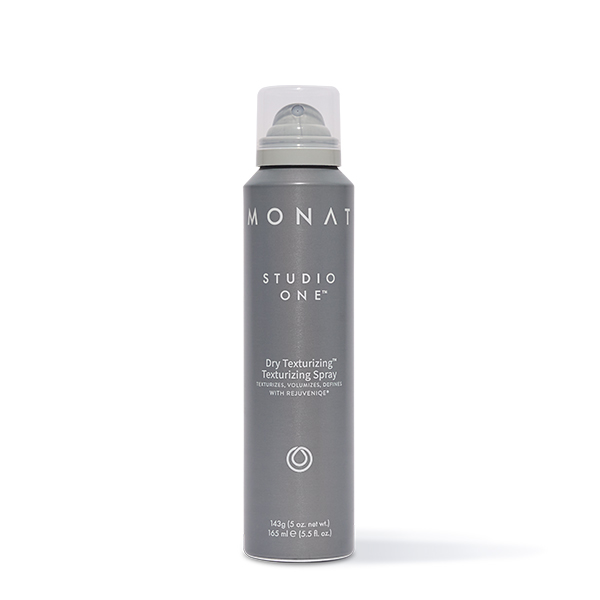
Styling Pick
MONAT STUDIO ONE™ Dry Texturizing Spray
Grip and lived-in lift at the mid-lengths and ends — layers in easily with the routine above.
Week 4: Evaluate, Cut and Simplify
Week four is the audit. Look honestly at which steps you actually did and which you skipped more than twice — the skipped ones are not failures of discipline, they are steps that do not fit your mornings, and the plan should lose them.
Keep the system and the nightly scalp step regardless; those are the foundation. Everything else is negotiable.
This is also the right week for a cut, if one is due. Weight is the enemy of fullness, and length carries weight — taking off even an inch and adding interior layers changes how the same amount of hair reads. Our guide to the best haircuts for thinning hair covers what to ask for.
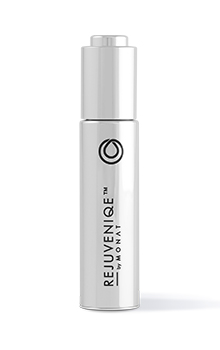
Pre-Wash Treatment
REJUVENIQE® Oil Intensive
Massage into the scalp before washing, then shampoo out — the scalp gets the benefit without any weight left behind on styled hair.
What Day 30 Actually Looks Like
Not a different head of hair. What you should have is a part that no longer draws the eye, roots that hold lift past lunchtime, a scalp that feels comfortable rather than tight, and a morning that takes the same ten minutes it always did.
Put the day-30 photos next to the day-zero ones in the same light. Most people are surprised in a modest, useful way — the change is real but it is in how the hair sits and reflects light, not in density. That is exactly what a cosmetic routine is for, and it is worth keeping.

Five Mistakes That Derail the Reset
1. Changing everything at once. If five things change in week one and something improves, you have learned nothing about which one did it — and you have built a routine too heavy to sustain.
2. Judging progress in the mirror each morning. Lighting swamps the signal. Photos on day zero and day thirty, nothing in between.
3. Piling product at the roots. The instinct when hair looks flat is more product. At the root, more product is almost always the cause rather than the cure.
4. Washing less to “protect” the hair. A scalp carrying a week of oil and styling residue reads flatter and looks thinner, not healthier.
5. Treating a cosmetic routine as a substitute for a conversation with your doctor. If shedding came on suddenly, arrives in patches, or your scalp is sore, itchy or flaking, that is worth raising with a doctor or dermatologist — none of the styling in this plan is a substitute for that.
Not Sure Which Products Fit Your Hair Type?
FAQ
Will 30 days actually make my hair thicker?
No — and any plan promising that is overselling. Thirty days is enough to build a routine and to change how your existing hair sits, parts and reflects light, which is what makes it look fuller. Density itself moves on a much slower timeline, if at all.
What if I miss a few days?
Carry on from where you are rather than restarting. The plan is deliberately built so a missed week still leaves you with the week-one changes, which are the ones doing most of the visible work.
Can I start at week three if I already have a system I like?
Yes. If your wash-day routine is already settled, start at the styling week and treat weeks one and two as a checklist to confirm rather than a sequence to follow.
Do I need a scalp serum, or is shampoo enough?
Shampoo and conditioner do most of the work. A scalp serum is the optional layer — worth adding if your scalp feels tight or your roots go flat quickly, easy to skip if neither is true.
Should I see a doctor instead of doing this?
The two are not alternatives. A cosmetic routine is about how hair looks and feels. If the change was sudden, patchy or came with scalp symptoms, talk to your doctor — and keep the routine going meanwhile if you like how it looks.
For the full picture on what changes after 40 and which products earn a place, start with our hub: the best products for aging hair. If volume rather than the part line is your main concern, fine hair over 40 is the better next read.
Medical Disclaimer & FTC Disclosure
This article is for general informational and cosmetic purposes only and is not a substitute for professional medical advice, diagnosis, or treatment. If you notice sudden, patchy or rapidly progressing hair changes, or scalp pain, redness or flaking, please consult a licensed dermatologist or physician. This post contains affiliate links; a commission may be earned at no additional cost to you. No statements on this site have been evaluated by the FDA, and no product mentioned here is intended to diagnose, treat, cure, or prevent any disease.